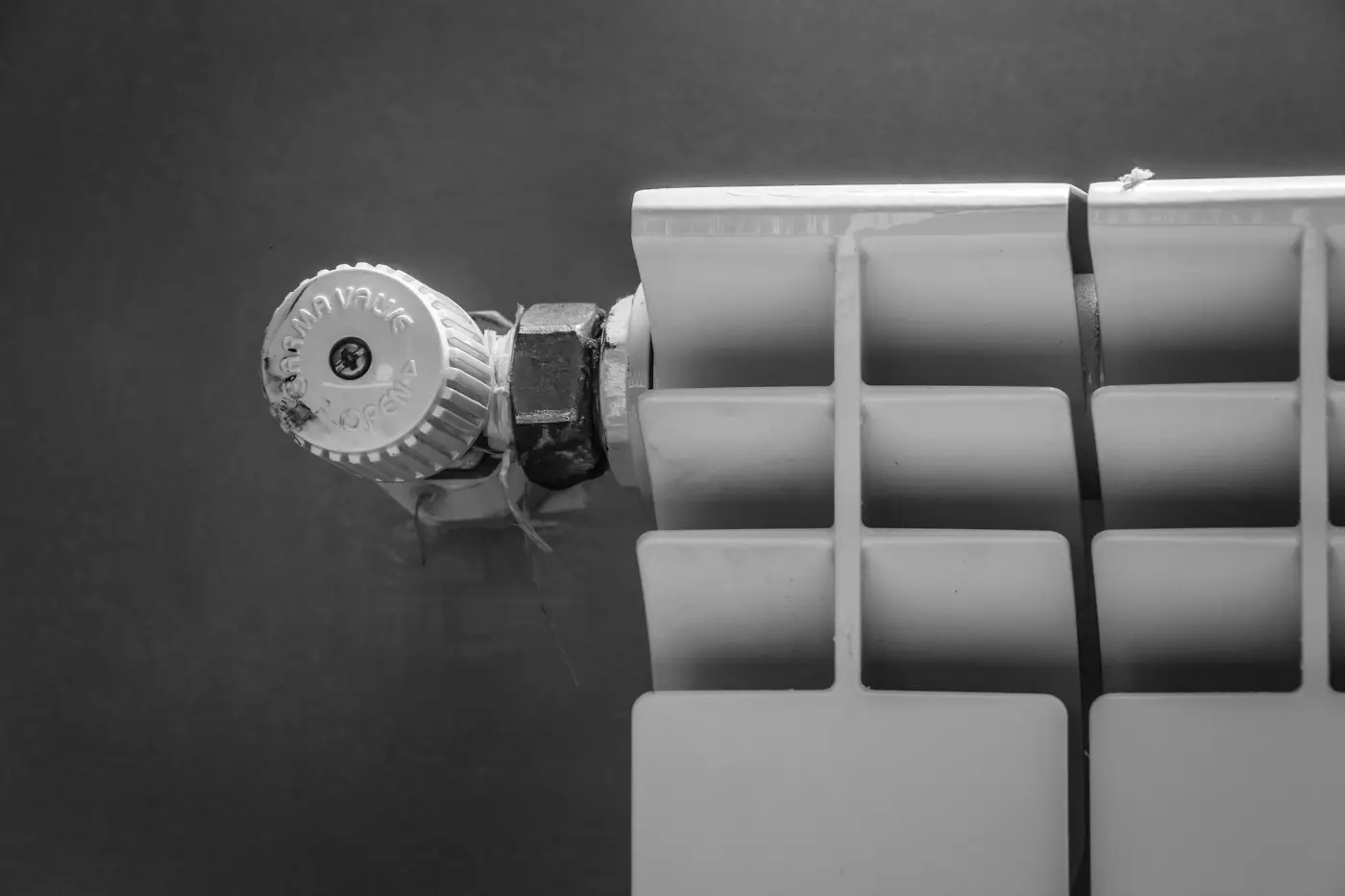
Radiators cold at the bottom? That is sludge
Black iron oxide sludge builds up in any heating system that has not been protected with inhibitor. It settles in the bottom of radiators, blocks pipes, wears out pumps and valves, and makes the boiler work harder for less heat. A power flush pushes clean water and cleaning chemicals through the system at high flow, one radiator at a time, and carries the sludge out.
- Every radiator flushed individually until the water runs clear
- Pipework and the boiler heat exchanger flushed
- Inhibitor added and a magnetic filter fitted if there is not one
- System refilled, balanced and checked
- A fixed price from the number of radiators
We always flush a system before fitting a new boiler to it. If your radiators are cold at the bottom, the water in them is black when you bleed them, or the boiler is noisy, a flush is usually the answer before any new parts.
Questions about power flushing & system cleaning
How long does a power flush take?
Most of a day for a house with eight to twelve radiators.
Will it damage old radiators?
A properly controlled flush does not. If a radiator is already corroded through, it may leak afterwards, which is a sign it needed replacing anyway; we will tell you if we see one at risk.
Is a magnetic filter worth it?
Yes. It catches the sludge before it reaches the boiler and is cleaned out at each service. We fit one as standard with every new boiler.
Get a quote
Send us the job
Tell us what it is doing and where you are. A photo of the boiler and the label inside its door helps.

Prefer to talk?
We read every enquiry ourselves and ring back the same working day where we can.
Mon–Fri 09:00–17:30
- Written quotes before any work
- We turn up when we say we will
- Gas Safe registered, no. 200233